


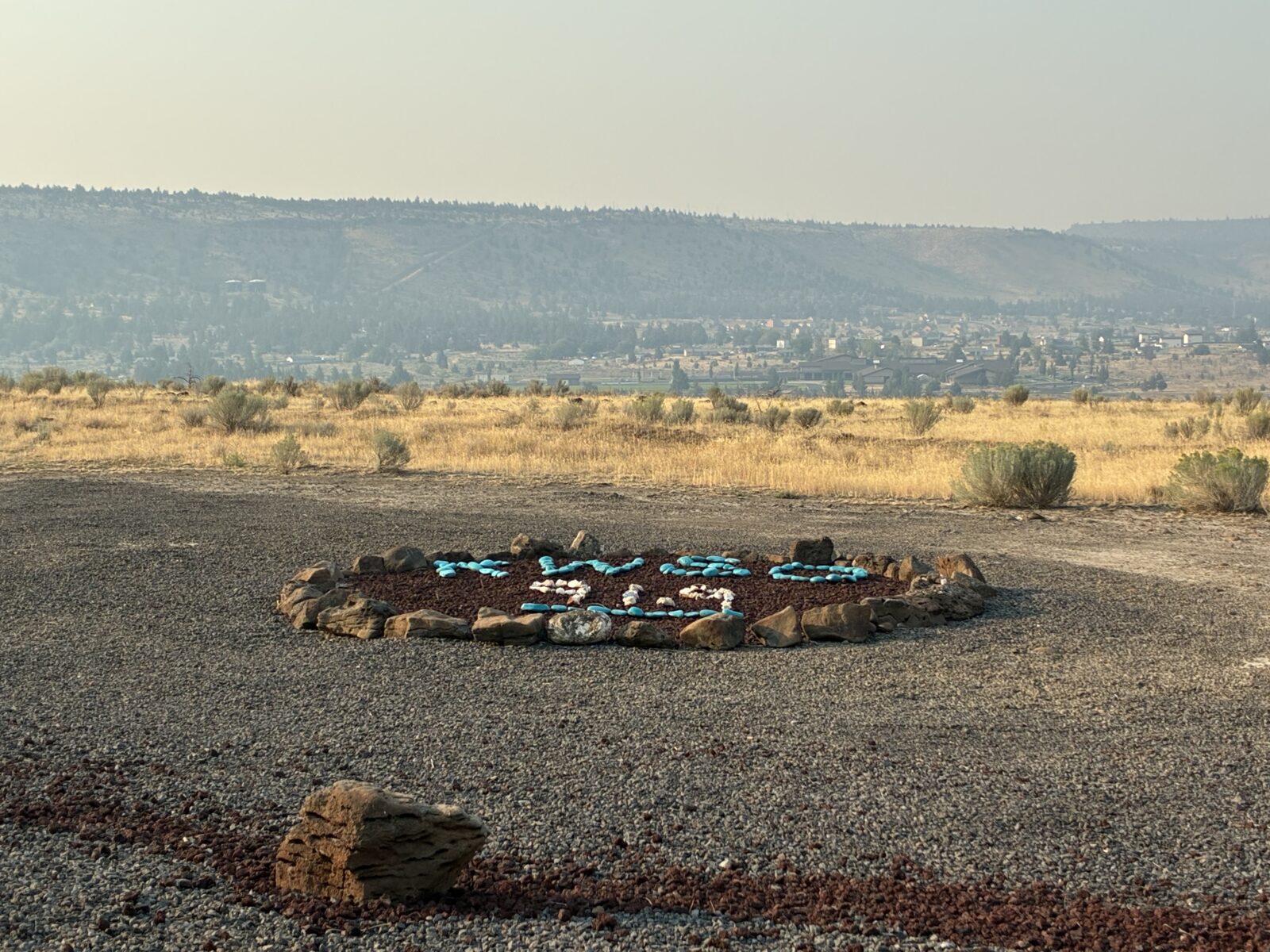
Smoke from the Austin Fire was the primary source of the heavy smoke that moved into Warm Springs yesterday afternoon as winds shifted to the west.
The Austin Fire is burning in the Mount Hood National Forest, about 35 miles southeast of Estacada and roughly 5 to 7 miles west of the Warm Springs Reservation. The fire is now estimated at 7,864 acres and remains at zero percent containment.
As winds shifted to a westerly direction Tuesday afternoon, smoke from the Austin Fire moved directly toward the Warm Springs area, creating hazy skies and worsening air quality. Smoke conditions can change quickly throughout the day depending on wind direction, fire activity and weather conditions.
The Warm Springs Branch of Natural Resources Air Quality Report for Wednesday shows significant differences between monitoring locations. The current PM2.5 measurement at the Branch of Natural Resources monitoring site is 197, which is in the Unhealthy range on the Air Quality Index. At that level, everyone may begin to experience health effects, while members of sensitive groups may experience more serious effects.
Today’s forecast calls for areas of smoke, sunny skies and a high near 95 degrees. Winds are expected to be calm early before becoming west at 5 to 9 miles per hour during the afternoon. That west wind could continue to affect smoke conditions in Warm Springs.
When smoke is present, residents can reduce their exposure by limiting time outdoors, especially during periods when smoke is thickest. Keep windows and doors closed when outdoor air quality is poor, and consider using an air cleaner or a properly filtered HVAC system indoors if available.
People who are especially sensitive to smoke—including children, older adults and people with heart or lung conditions—should take extra precautions. If you must spend time outside when smoke levels are elevated, a properly fitted N95 respirator can help reduce exposure to fine particles.
Pay attention to symptoms such as coughing, wheezing, shortness of breath, chest tightness or unusual fatigue. If you develop serious breathing problems or other concerning symptoms, seek medical attention.
The Warm Springs Branch of Natural Resources recommends monitoring local air quality throughout the day because conditions can change as winds and smoke move through the area. The current Warm Springs air quality information is available through the PurpleAir monitoring network.
